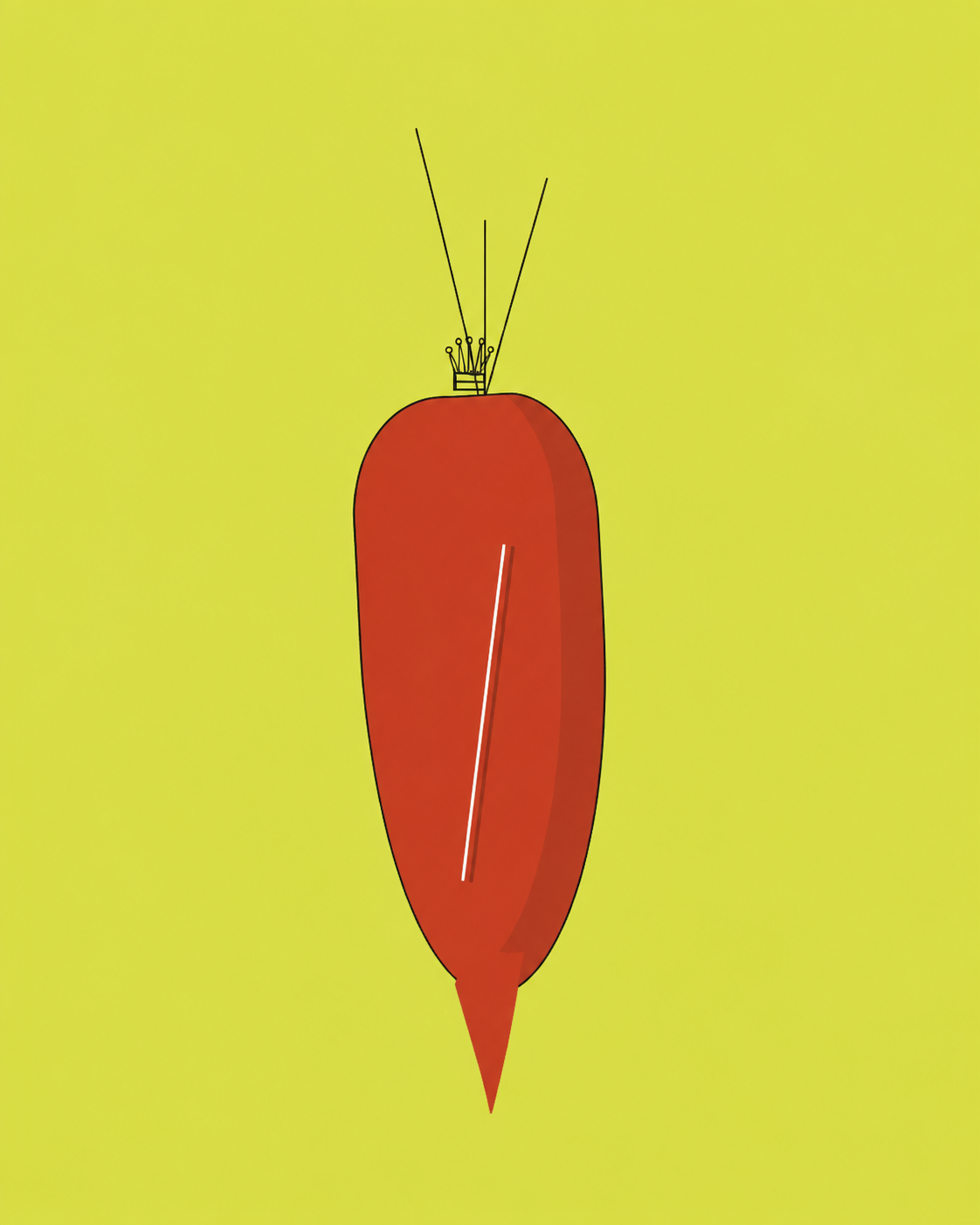
Before hing blooms in our ghee, a wild ferula waits beneath a brutal landscape,
only to surrender the very life she spent years building…
Would you believe it if I told you hing is just a carrot that is high? Before your eyes widen any further, let me just confirm that hing, or asafetida, cannot give you a high. But let’s not dismiss its status as the meth of your masala dabba or the fact that it is very much a carrot. Ok maybe not exactly a carrot, but a very close cousin of the sweet and innocent carrot.
Asafetida is basically from the same family as a carrot or a parsnip called Apiaceae, but in essence, it’s really just a carrot that woke up and chose violence.
Without further ado and not wearing our lab coats and botanical gloves on, let’s dive right in!
Busting Myth #1: Asafetida cannot replace garlic or onion in Indian food
I am guilty, and so are many Indian bloggers and food writers when it comes to describing indian ingredients to their Western audience. I don’t blame them. The written word is no longer something you print within your community. Over-westernizing Indian culinary terms is part of reaching a wider audience and staying relevant.
But there comes a great responsibility when someone new to the cuisine or who didn’t have a mum they watched cook growing up looks at your page for authenticity.
Today, people from other cultures can easily spout Indian ingredients like they are everyday pantry staples. So while it is agreeable and even appreciable to make things spoonable for the wider audience, Indian bloggers and the general cooking community should pay closer attention when describing the purpose of ingredients and refrain from diluting them to the point of misinformation.
Sadly, in the case of hing, hundreds of not just bloggers, but also chefs and popular celebrities, mistakenly claim asafetida as the perfect swap for garlic or onion in an Indian recipe.
No.
Just No.
This is where I, as a food science nerd without a lab coat, would like to bring in my views from a chemical perspective.
Both garlic and hing have disulfides, which is the component that hits you with a distinct, sharp sulfuric aroma when you open a jar of hing or sprinkle some of it in hot oil. But it would be wrong to say it’s why you can replace garlic with hing in Indian recipes. In fact, hing could be a happy replacement for a bland carrot since they are close cousins emanating from the same botanical family of vegetables. And guess what? The hing plant even has a tap root just like a carrot, albeit with a dark tale looming in the background.
This story behind the life of an asafetida plant deserves its own section, so moving on.
The Tragic Life of an Asafetida Plant
The hing in your tadka is a rather gruesome and gloomy story, but it is also one of resilience and pride. It all starts on the treacherous mountain slopes of Iran and Afghanistan, where our wild Ferula, the botanical source of hing, chose to live a feral life to protect herself from predators after observing the evolutionary fork of her close cousins, parsnip and carrot.
The ferula is an interesting plant. Unlike the domestic, cozy carrot, which grows easily in the comfort of our backyards and farms, ferula grows on harsh, unforgiving high-altitude terrain with arid to bitter-cold conditions, where the soil is the absolute antithesis of rich, cozy garden soil. But this is also why the resin-bleeding ferula has an ironclad armor that is built to survive the freezing temperatures and the blistering sun.
Despite her penchant to live wild and free, ferula’s life didn’t turn out quite the way she had planned; her valiant efforts were shrouded by a darkness, quashing her dreams before fruition.
The story goes like this…
The young maiden ferula starts her journey in the arid deserts of Afghanistan and Iran. She spends four to five years holed up under the ground just to build a massive, thick taproot, just like her cousin, the carrot, to protect herself from predators. The taproot, unlike the carrot, is not sweet and boasts several volatile compounds, strong enough to deter enemies away.
But that does not make the desert any less harsh. So our brave and wild ferula hoards her energy, taking whatever she can from the unforgiving soil, ready to ward off enemies and prepare for her one big moment.
And what is that moment?
Asafetida is monocarpic, which is botanical code for: dies after blooming only once in its lifetime.
She prepares for that one bloom, patiently building a defense system to protect her and fight for her right to live.
After a grueling 5 years underground, she gears up to shoot out a whorl of striking yellow flowers in the desert, her ultimate grand finale, an ode to her resilient life.
Alas, humans show up like they always do. The classic villains of every sad story on Planet Earth.
The human harvesters clear away her dirt, exposing the crown of her taproot and slicing the top. She oozes a milky, sulfur-scented latex loaded with volatile sulfur and intense terpenes to burn her predators. The oozing latex also helps her heal her wounds. But they could very well be tears from a shattered soul watching her life slip away in front of her eyes.
The humans come back to her repeatedly over the next few weeks, slicing a new layer as she heals with every visit until the plant bleeds out her last drop and dies a sad death, never getting to see her life’s epitome – her sunny, yellow blooms in their glory.
The weeping sap dries under the mountain sun into a dark resinous gum, which is scraped and shipped off to be tempered in hot ghee for our dal every day. So the unmistakable funk you get every time you sprinkle this tormented spice is the smell of ferula’s bitter ending, an unmistakable truth of a life snatched too soon.
The Neurological side of Hing that never gets talked about enough
And so the sap of the ferula plant gets shipped to be sold off as asafetida in India and Indian grocery stores around the world.
I chugged a glass of cold moru, or buttermilk, the other day; I noticed a clump of asafetida hadn’t dissolved. This is quite common and happens when you sprinkle hing over cold buttermilk. I ate the clump of hing, gently pressing it between my tongue and the roof of my mouth to analyze its flavors.
That’s the weird food nerd in me taking over.
And even though I have never tasted petroleum or gasoline, as the Americans call it, I thought I tasted a clump of what I thought gasoline would taste like in my mouth. I also distinctly remember feeling this sensory stimulation, which happens with a few other foods, such as wasabi and mustard oil. Not in the pungent, hit your sinus hard kind of way, but in the pungent wake up now kind of way.
Obviously, this sensory realization pushed me down yet another rabbit hole to get to the bottom of the mystery causing this. Turns out there is a very scientific phenomenon that can explain this – TRPA1.
The TRPA1 is basically a receptor, which is the reason why our brains react the way they do to certain foods like chili, wasabi, and mustard. Think of it as the smoke alarm in your kitchen. It goes off when it detects intense chemical compounds like the ones we find in garlic and hing.
Does this mean we should not be eating these? Absolutely not! It just means our body is doing exactly what it’s supposed to do – trigger the alarm and stimulate. Plus, cooking changes the chemistry too. So other ingredients and cooking methods, like tadka, mellow some of those volatile compounds, helping us use the beneficial side of the ingredients.
Or is it a case of ferula herself alerting you to watch out for predators in your food!
The Historical Paradox of Hing in Afghan and Iranian Cooking
Despite being among the largest producers and exporters of this culinary ingredient, it’s a paradox that hing is a rare feature on Afghan and Iranian plates.
Here is an interesting blog that talks about the historical origins of this culinary master spice. That said, it’s one of those peculiar things I will never understand why we did or did not embrace – like soy-based food products, which came much later to India despite its geographical proximity.
Yet here we are, Indians consuming almost all of the asafetida produced in this world. It is very common to see hing mixed in with other ingredients such as wheat flour. Probably to counter the spice’s expensive and rare nature.
Which leads me to…
The Iconic LG Perungayam
As a Tamil person, how can I go a post on hing without mentioning the iconic LG Perungayam podi? It’s bought and stocked even before turmeric hits our cart. This classic white bottle with red highlights has nothing to do with Tamil Nadu, yet occupies a special place in our hearts. Ironically, LG hing was founded in Mumbai by Shri Laljee Godhoo, who processed lumps of hing sourced from Persia and Afghanistan. Today, it is fondly used, sometimes even bearing slapstick jokes comparing it to another iconic brand – Korean electronics manufacturer LG.

Honoring Ferula aka Hing
Indians continue to use this incredible spice. It’s not stinky; it’s not pungent, even if it’s all of those things. Hing is a spice that will always remind me of staying true to my identity and being resilient and persevering for greatness, even if it lasts only a bloom.
So, in honor of the plant that didn’t get the life it dreamed of, let us sprinkle hing to honor the resilient fight Ferula put up, allowing her to bloom what she could have been in desi ghee and neer morus.